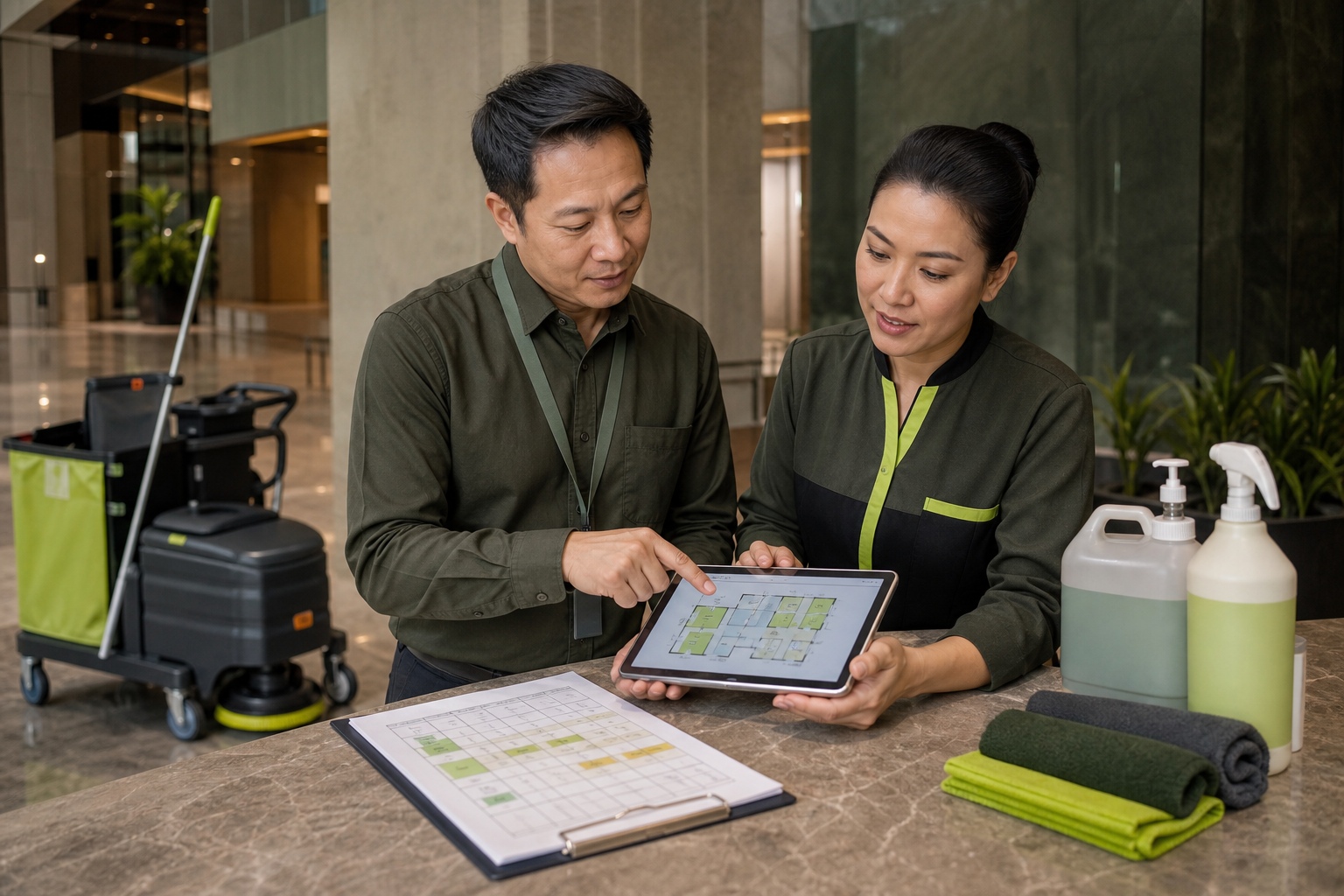
Professional Cleaning & Facility Services

Global Standards.Local Care.Consistently Clean.

Professional cleaning and facility services delivered through trained local teams, structured supervision, and consistent quality control.

01Standards in practice

Global standards must be present in every shift—not added at final inspection.

Training, SOPs, and area-based checklists turn a service promise into criteria that can be observed, measured, and maintained every day.

How our standards work
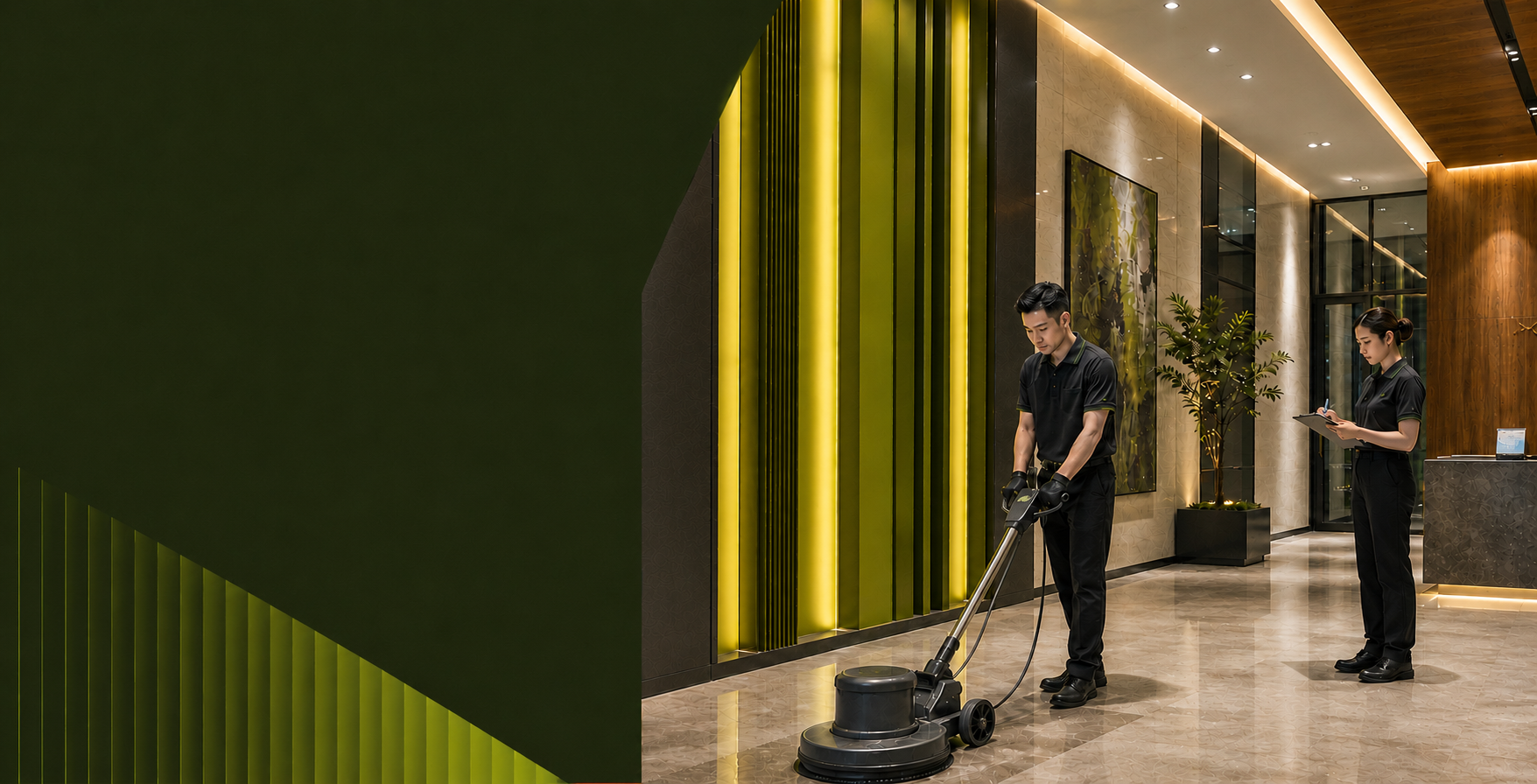
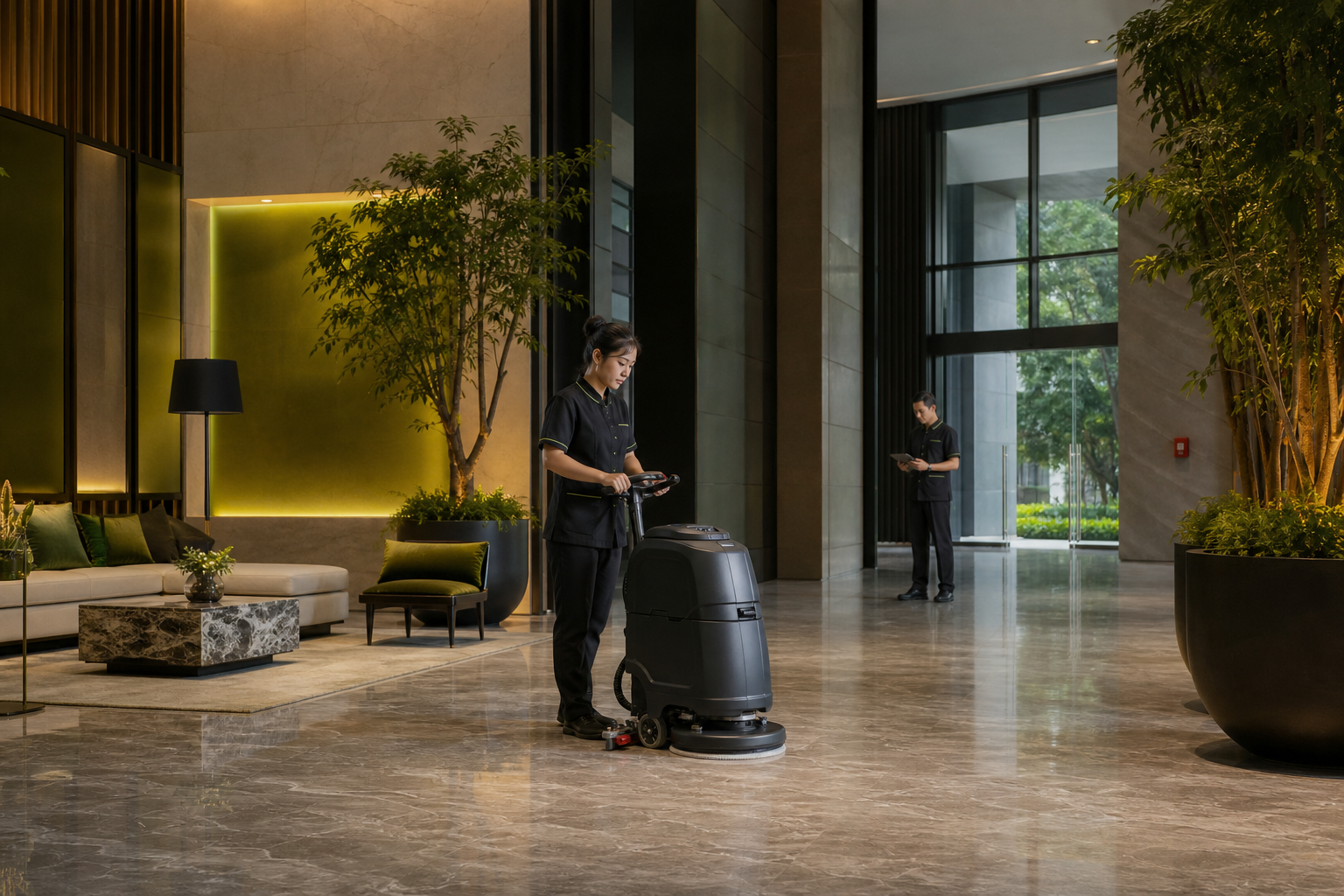
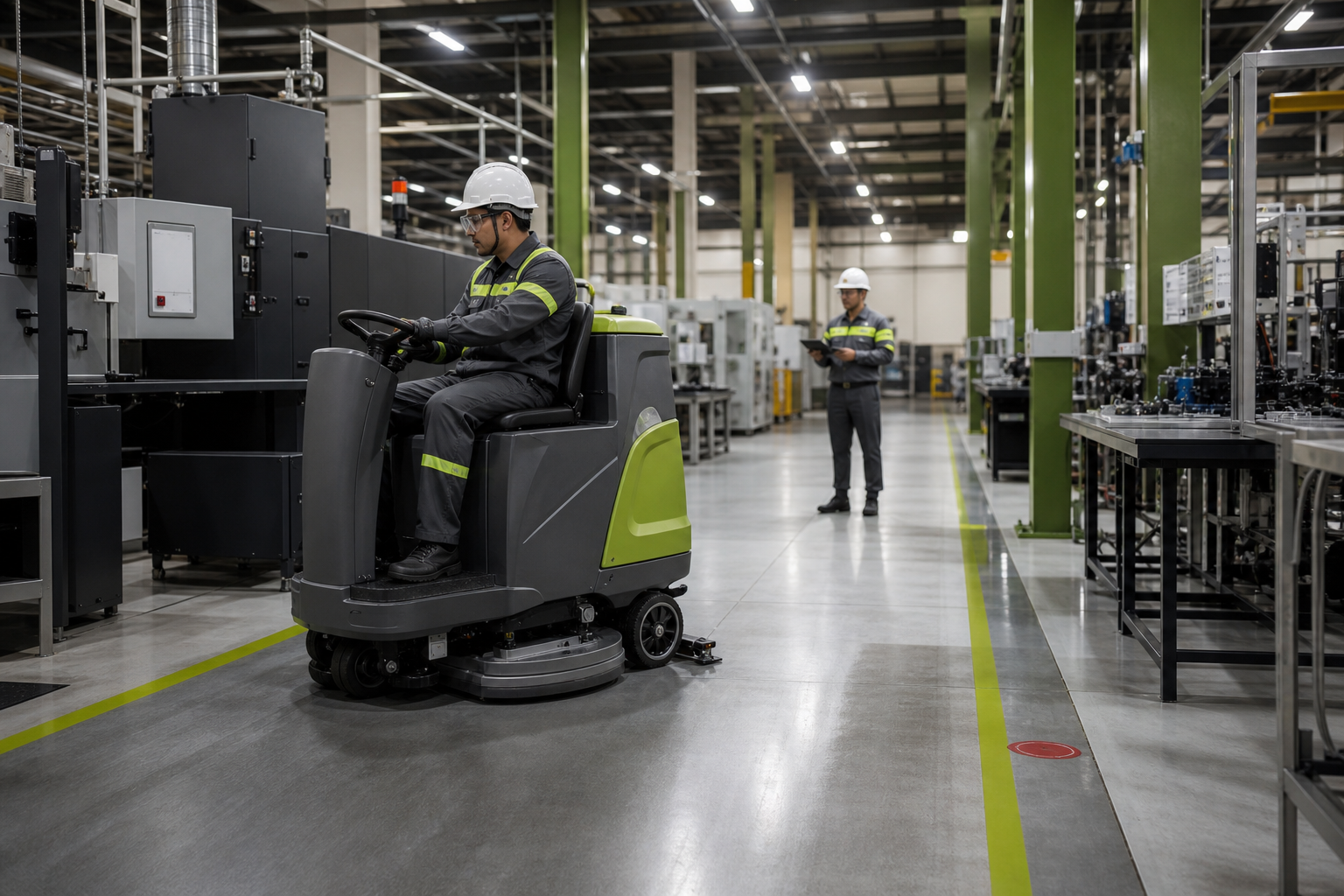
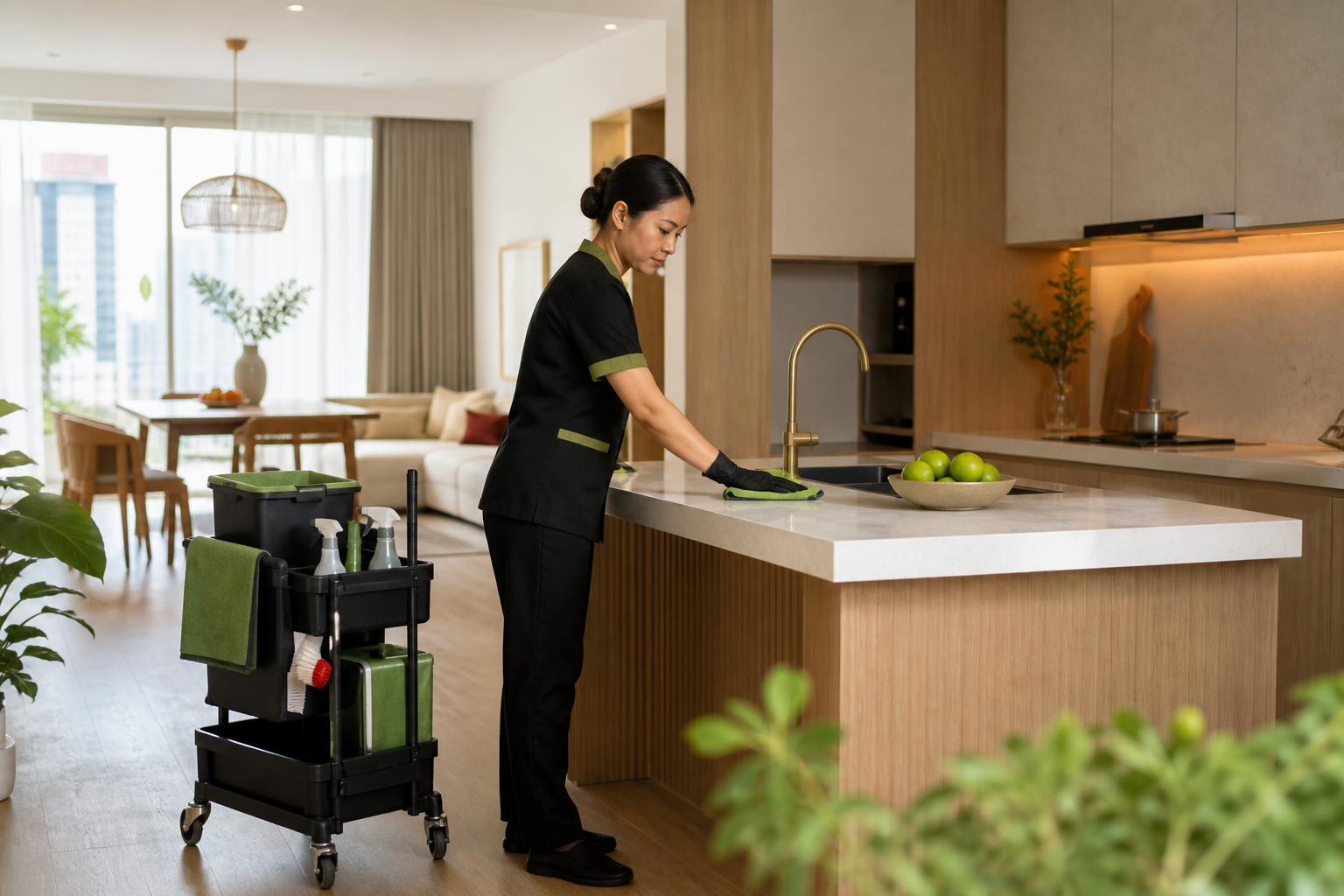
Building careIndustrialApartmentDaily operationsResponsible operations
04 — Service recovery

When conditions change, response quality reveals the strength of the operation.

Routine cleaning creates a clean state. A complete incident process protects that state when the site changes.

Service control

One contact. One response flow. One outcome that can be confirmed.

Feedback should not disappear between shifts, chats, and multiple contacts. Every issue needs a priority, an owner, a next action, and a visible status.

  • Safety & disruptionPriority first
  • Area qualityBy impact
  • Repeat issuesReview the cause
  1. 01
    Triage

    Capture the full context

    Confirm time, location, impact, reporter, and relevant field evidence before deciding what must happen.

  2. 02
    Priority

    Prioritize by impact

    Handle safety risks and operational disruption before ordinary appearance or quality issues.

  3. 03
    Ownership

    Coordinate and update

    Name one coordinator, the next action, and a visible status so the customer does not have to chase information.

  4. 04
    Resolution

    Close the loop

    Confirm the outcome, record the cause, and change the checklist, materials, training, or SOP when recurrence is likely.

05 — Responsible operations

Clean spaces. Lighter footprint.

Cleaner for the space. Lighter for the environment.

Professional cleaning can deliver more than a clean surface: responsible resource use, safer work, and more transparent operations.

Our responsible-operations direction
E
Environment

Optimize resources

Control water and chemicals, prefer reusable materials, and support waste separation at source.

S
Social

Safety and dignity at work

Training, PPE, safe shifts, and a respectful experience for service teams and building users.

G
Governance

Transparent operations

SOPs, acceptance criteria, feedback logs, and reporting keep responsibility traceable.

06 — How to begin

Clear enough to stay under control.

A concise, transparent cycle from initial requirement to delivery and feedback.

  1. 01

    Intake

    Confirm the property, areas, and expected outcome.

  2. 02

    Survey

    Review current condition, operating flows, and safety requirements.

  3. 03

    Proposal

    Define scope, frequency, people, equipment, and acceptance.

  4. 04

    Delivery

    Execute, supervise, report, and respond to feedback.

View the detailed process
08 — Before we begin

Questions worth clarifying from the start.

How is the service scope defined?+

AKAIUNSAN confirms the property type, areas, frequency, and acceptance criteria before proposing a plan.

When is an on-site survey required?+

Buildings, factories, and deep-cleaning projects should be surveyed to assess surfaces, operating flows, and safety requirements.

Can the frequency change after launch?+

Yes. Frequency and scope can be reviewed against usage levels, operating feedback, and the needs of each phase.

How are service incidents handled?+

Each incident is captured with its area and impact, prioritized, assigned to a coordinator, updated, and closed only after the outcome is confirmed.

Start a conversation

Tell us which space needs professional care.

Choose building, factory, or apartment. AKAIUNSAN will review the context and prepare the right questions before contacting you.

Your information is used to contact you and prepare an appropriate plan.